Data entry by hand
The same information typed from one system into the next, every day. Errors included.

Mid-sized businesses lose hours every day to manual processes. I help you find the right ones to automate — and then actually do it, safely and compliantly.
Does this sound familiar?
Repetitive tasks, manual data entry, forwarding documents by hand — it takes up time your people could spend on work that actually matters.
The same information typed from one system into the next, every day. Errors included.
Open email, check PDF, forward, file. Always by hand. Every single time.
Do the same thing every day and eventually you'll slip up. Copy-paste workflows are especially prone to this.
Skilled employees spending hours on tasks that a machine could handle.
The interest is there, but it's not clear which processes are suitable or what's legally and technically possible.
AI is on the agenda. But which process do you start with — and how does that actually work?
That's exactly what can change.
How I work
No big leap required. Everything starts with a focused analysis — and within a few weeks you'll know exactly where automation is worth it.
01
I look at your processes, assess the potential, and we agree on where to start.
1–2 weeks
02
The first automation is built — from concept to a working, live workflow.
3–6 weeks
03
What works gets rolled out to further processes and teams.
Ongoing
Before anything gets automated, we need to know what's actually worth it. In this analysis sprint I take a close look at your administrative workflows, assess the potential, and we nail down a concrete pilot together.
1–2 weeks
We define the scope, identify the right area to focus on, and get to know the relevant systems.
8 to 15 administrative tasks are captured through conversations and a quick systems review.
We break down 3 to 5 processes step by step and pinpoint exactly where the manual work sits.
Each process gets scored: How often does it occur? How much manual effort? How complex to connect?
You get a clear recommendation — the three processes worth pursuing most, and where to start.
What comes next
02
The first automation is built — from concept to a working, live workflow.
3–6 weeks
03
What works gets rolled out to further processes and teams.
Ongoing
Live Demos
These demos show how AI can take over administrative and operational tasks. Each application represents a process that back-office teams deal with every day.
GDPR-compliant AI automation
Clear pilot in 1–2 weeks
Visible workload relief
All Capabilities
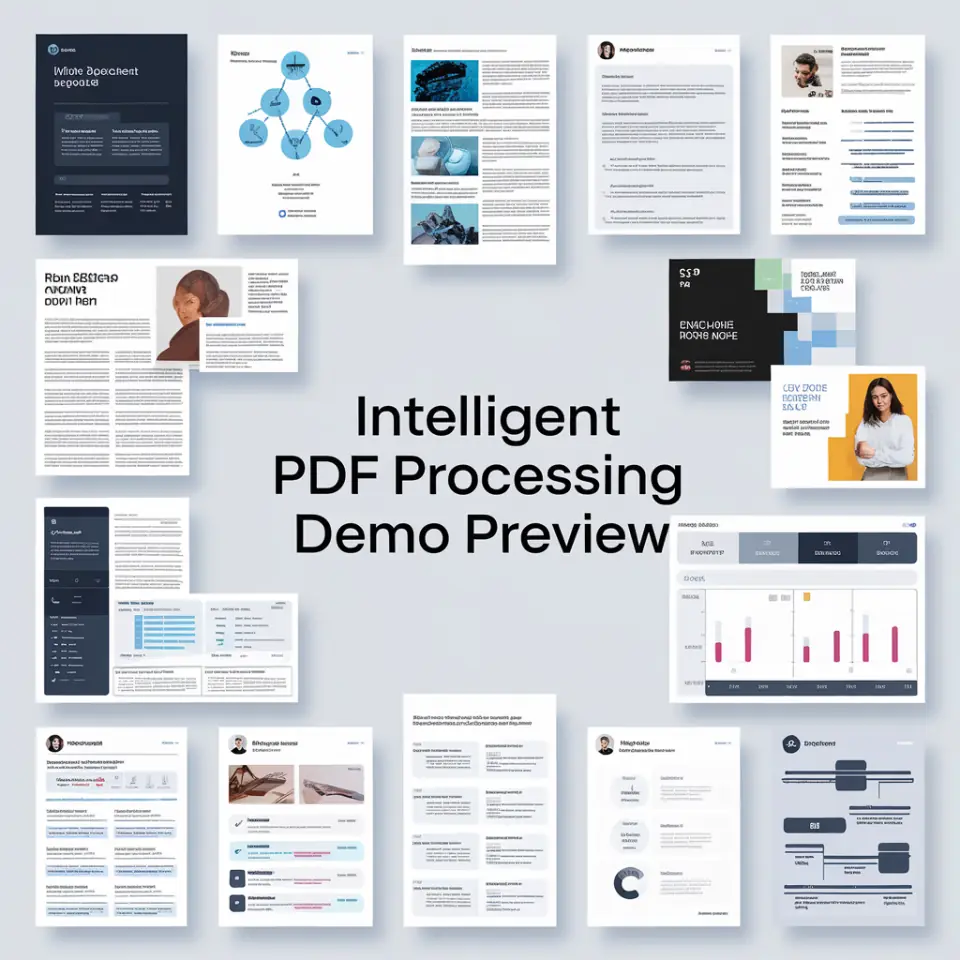 Live Demo
Extracts key information from PDFs with visual highlighting and structured summaries.
Business Impact: Less manual review, faster processing times, and automated forwarding.
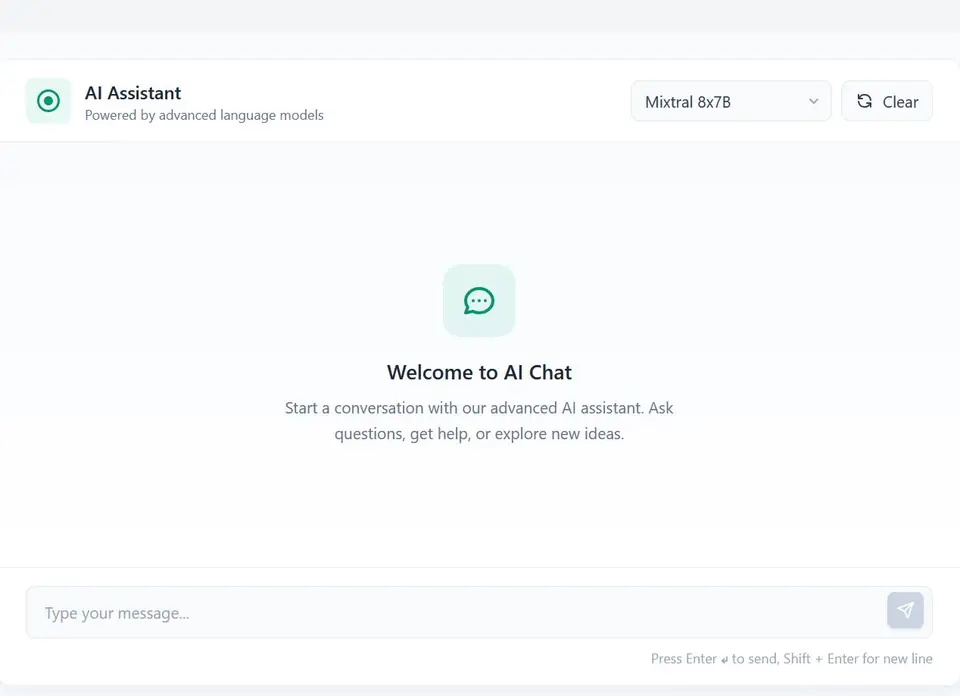 Live Demo
Real-time chat interface powered by modern language models for internal knowledge and support processes.
Business Impact: Faster internal responses, fewer follow-up queries, and less manual handling.
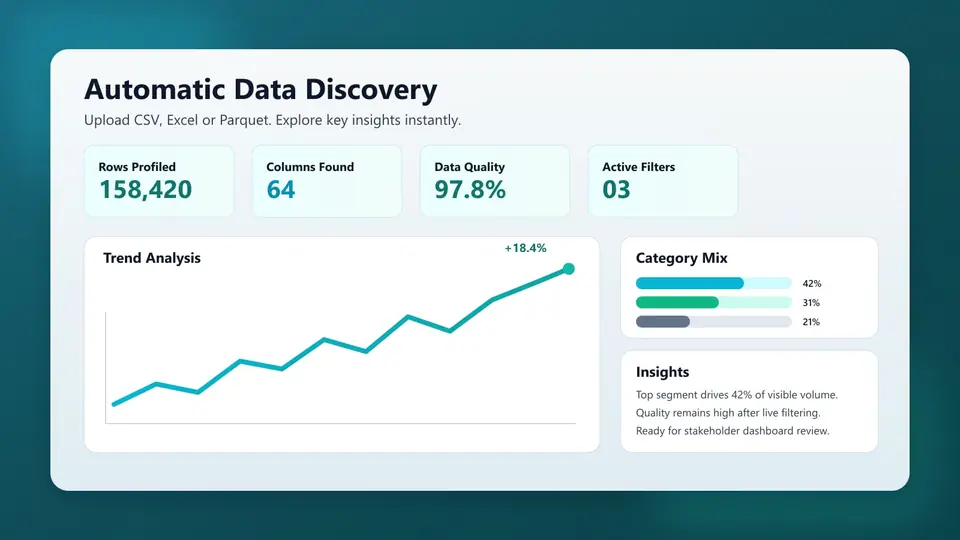 Live Demo
Upload CSV, Excel, or Parquet files to instantly profile schema, data quality, and sample records.
Business Impact: Speeds up analysis of exports from ERP and CRM systems.
About me
I work at the intersection of AI technology and business reality. That means I don't bring AI as an abstract future topic — but as a practical solution to concrete day-to-day processes.
GDPR isn't a checkbox at the end. Every solution I build has it baked in from the start.
New infrastructure is rarely needed. I work with what you already have in place.
You always know where things stand. Clear steps, clear results — no consultant jargon.
About me
I work at the intersection of AI technology and business reality. That means I don't bring AI as an abstract future topic — but as a practical solution to concrete day-to-day processes.
01
Get to know your processes, systems, and goals — before anything gets automated.
02
Work out where the real leverage is for your organisation.
03
GDPR-compliant, with your team, for real operational use.
Free intro call
15 minutes is enough to figure out whether and where AI automation makes sense for you. No sales pitch — just an honest conversation.
I reply within 24 hours.
Load the external scheduler only when needed to keep page performance high.
Loading this widget fetches content from calendly.com.
Or write to me directly: contact@i-love-ai.de
FAQ
Short answers to the most common questions about AI automation, getting started, and working together.
Primarily mid-sized businesses with recurring back-office or administrative work. It is especially useful where manual data entry, document handling, or internal forwarding takes up too much time.
That is exactly what the AI Automation Discovery is for. Over 1–2 weeks, your workflows are analysed, prioritised, and checked for feasibility. The outcome is a clear recommendation for the most sensible pilot to start with.
Yes, and that is a core part of my approach. Data protection and compliance are built in from the start rather than added later, so the solution works not just technically, but operationally as well.
Once a suitable process has been identified, the next step is a concrete pilot project. That means building the first automation from concept to a working workflow. From there, the solution can be expanded gradually to further processes.
Yes. Scaling does not only mean extending automation to more processes. It also includes improving what is already running, which can involve software updates, system adjustments, and continuous optimisation over time.